Best Socks For Ice Skating: Expert Guide To Clear Confusion
Wondering which are the best socks for ice skating, this article has you covered!
When it comes to ice skating, the one clothing item that people are most confused about are ice skating socks. Some of the many questions that ice skaters are faced with are
– Can you ice skate with normal socks?
– Can you wear fuzzy socks while ice skating?
– Are thick socks or thin socks better for ice skating?
In this article, I would cover everything about the best ice skating socks. I will talk about whether you should wear ice skating socks, what socks are the best for ice skating, how to choose the best socks for ice skating, what socks should you wear for ice hockey and also recommend some of my favourite ice skating socks.
But before we dive into the details of socks to wear for ice skating, let me state that you must wear thin socks when ice skating. Thick socks may feel more comfortable initially but they do not let you feel the ice skate and prove to be an impediment for making ice skating progress.
But continue to read on to find out all about the fit, material, and other features of the socks that are the best for ice skating.
This post contains affiliate links. We may receive a commission for purchases made through these links.
As an Amazon Associate, we earn from qualifying purchases.
Should you skate barefoot or should you always wear ice skating socks?
There are many skaters who skate without socks i.e. they wear their skating boot directly on their barefeet. But as I have stated in my article on how to prevent ice skates from stinking, your feet sweat profusely when ice skating. Skating without socks can cause bacterial growth causing foot pain. The boot would also stink terribly within a few sessions. It even causes faster degeneration of the boot. Skating without socks would make your feet cold within a matter of minutes and ruin your skating experience after that. So as a general rule, you must avoid skating barefoot at all costs.
So even if you find skating without socks more comfortable or if you get a better grip over your skates when you skate without socks, do not make skating without socks a habit.
Instead, give yourself time to become comfortable skating in thin skating socks that allow excellent grip and control, keep your feet warm and dry and also don’t damage your skating boot. Even if, initially, it seems to be the harder choice, learning to skate with socks is beneficial in the long run.
The benefits of wearing ice skating socks could be summed up as follows
- socks improve comfort and feel of skate
- socks reduce risk of blisters and other foot injuries
- socks allow better temperature regulation
- socks promote excellent hygiene
- socks prolong the lifespan of skates
What to look for in the best socks for ice skating? Buying Advice
To be honest, selecting ice skating socks is not a hard process if you know what to look for. As stated earlier, the key criteria for good ice skating socks are that they should be thin and comfortable. But let me elaborate on some other factors that play into making good ice skating socks.
Material – technical, cotton

There are two types of material that is acceptable for use as ice skating socks
– cotton
– technical (blend of polyester, nylon and other fabric woven specifically to serve the purpose of warmth, moisture-wicking, breathability etc.)
If you are a beginner, you could use your regular cotton socks too without any guilt provided
– you get the right fit,
– they are thin enough and
– let you control and feel the skate completely
There should be no bunching up under your feet.
You could upgrade to technical socks once you become regular with practice, buy your own skates and start working at competing. If you are not a frequent skater, it is alright if you don’t buy specific ice skating socks.
Thickness (rather thinness) and cushioning
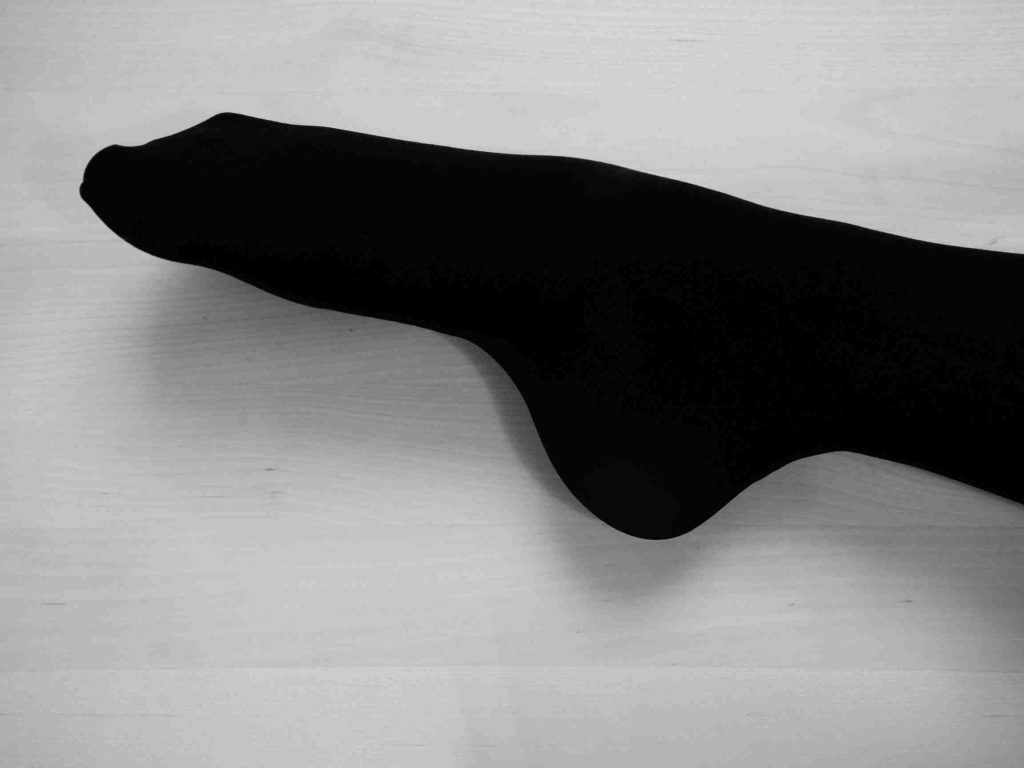
Skating socks should be thin. But when I say thin I do not mean as thin as pantyhose or stockings. Your feet should not slip around in the boot.
Thus ice skating socks should be thinner than thick athletic socks, woollen socks, and fuzzy socks.
Likewise, your socks for ice skating should have no cushioning whatsoever. Cushioning or padding can mess up the fit of the skate causing injuries, ankle pain from skating in wrong posture and expose you to other related risks. So do not use gel sock or padded socks for skating.
Breathability and Moisture-wicking properties
Ice skating causes immense sweating of feet. So you need socks that are breathable and moisture-wicking in nature.
So for this reason technical fabric scores over cotton. Cotton is breathable and lets air flow through but it can’t wick moisture generated from excessive sweating leaving your feet clammy and cold.
So if you skate longer than an hour, opt for technical fabric socks made with breathable and moisture-wicking properties. Ideally, look for socks specifically designed for ice skating.
Fit and comfort
Fit and comfort is the most important factor that you should take into consideration when finalizing on your skating socks.
Ice skating socks are considered to fit perfectly when
– they do not crease
– they do not bunch up
– their weave doesn’t stretch too much (indicating tightness)
– they are not slippery
A good pair of ice skating socks do not interfere with your skating movement but in fact aid control.
So when you skate, check if your feet can feel the blade and the shift in edges. Check if your feet stay in place throughout or if they tend to slip.
Tip: Ill-fitting socks or socks that are too thick could cause the sides of your feet to turn red and bruise. Try replacing the socks with thinner ice skating socks instead of changing your skating boot.
Additional features
Typically, if you get technical socks made for ice skating which are thin and fit well, you do not need socks with any additional features.
Reinforced heel and toe – not needed

But many sock vendors make socks with reinforced heels and toes for extending the life of the socks. But personally, socks with reinforced heel and toes make me uncomfortable. The reinforced heel and toe adds to the thickness of the socks in those areas and disturb the overall fit. They also add a seam under the toes that is also a deterrence when skating.
Compression – not needed
Compression socks are meant for those that suffer from low blood pressure They increase the blood circulation in the leg area.
Skating is typically known to increase your overall body temperature and so skating in compression socks could only expand its weave and reduce the socks lifetime. You also run the risk of making your feet too warm and uncomfortable while skating. The tightness in your calves could also prevent you from skating freely.
That’s why, in my opinion, compression socks are not ideal for ice skating.
(But if you have specific medical conditions, please speak to your doctor and coach before taking a decision on whether to use compression socks)
- Other features (e.g., reinforced areas, compression) – not required
Seamless construction – needed
Most socks designed specifically for ice skating have a seamless construction. Thus, seams are not inserted in the toe or the heels and you get an even feel all across your feet.
Seamless construction makes a big difference when skating and you’ll notice the difference right away if you have been skating in cotton socks or regular thin nylon socks.
You will notice an improvement in the sensitivity of the socks and enjoy better and even control all across the boot.
Extra note on temperature regulation
Ice skating takes your body through a range of temperatures. In the beginning you would be very cold. Once you are on the rink for a few minutes, you body temperature will go up as your body heats up. This should also make your feet warm and comfortable.
But once you are on the rink longer, you will start to sweat and the temperature of your feet will go down again.
A good pair of ice skating socks keep the temperature of your feet evenly warm throughout your skating session. Breathability and moisture-wicking qualities combined with the perfect level of thinness allows this.
So when you are trying out ice skating socks check if your feet stay consistently warm throughout your session. Test out during shorter sessions as well sessions that last for two hours or more.
Zero down on socks that keep your feet warm regardless of the length of your skating sessions.
Which ice skating socks are right for you?
Thin ice skating socks made from technical fabric is right for you
– if you skate regularly, take skating classes or compete
– have the budget to buy technical socks designed for ice skating
Thin regular socks are right for your
– if you don’t skate regularly
– dont have the budget to buy separate socks just for skating
– don’t use your own skates (as rental skates will fit poorly regardless of how well your socks fit!)
But remember that choice of socks doesn’t depend on your skill level in skating. If you have the budget or inclination, you can straightaway buy good quality ice skating socks instead of repurposing your thin cotton socks or other athletic socks.
Best Ice Skating Socks – Top Recommendations
Based on the buying advice above, the best ice skating socks are
Edea Ice Skating Socks
These socks are specifically made for ice skating. They fit, material, fabric, moisture-wicking qualities are all top-notch and perfectly suited for serious figure skaters.
The only downside is that they are a bit more expensive than other socks available in the market.

Satinior Ice Skating Socks
These socks are budget-friendly and they are longer than Edea socks. They are perfect for practice sessions and keep your feet warm throughout.

Care and maintenance of ice skating socks
Taking care of socks is not a complicated process at all.
- Machine-wash your socks at room temperature. Avoid hot water.
- Air dry your socks
- Do not keep your socks rolled up in your boots between sessions. Put socks for washing immediately after every use.
- Store them neatly in a clean, dry area.
- Do not iron your skating socks
Frequently Asked Questions – Ice Skating Socks
How long should socks be for ice skating?
Ice skating socks should typically be a little over ankle length or mid-shin long. If you are wearing socks under leggings, you could even opt for Edea socks that just show 1 cm above the boot i.e. they are just about ankle length tall.
Are you supposed to wear thick socks when ice skating?
Ice skating in thick socks should absolutely be avoided. Wear thin socks that let you feel the skate, promote even temperature regulation, are breathable, wick moisture. If possible, opt for thin socks with a seamless construction.
But ice skating socks should be reasonably thin – not as thin as pantyhose or stockings as it could result in an improper fit and your feet would keep slipping inside the boot.
What are tights for ice skating?

Ice skating tights come in three types
– footed
– footless
– over the boot
The footed tights do not require you to wear ice skating socks. But note that these tights are thinner than skating socks and could cause your foot to slip and would also keep your feet less warm. Footless tights or over the boot tights require you to wear socks underneath.
Tights are typically worn during competitions to make your legs look leaner and longer.
Over the boot tights go over the skates and they either have a velcro or a closure at the bottom to secure under the boot or they are stitched all the way through. The advantage of wearing over the boot tights is that they cover your laces and prevent freak accidents caused by laces coming in the way of moves and jumps.
Wrapping Up
So to wrap up on which socks are best for ice skating, here are the key takeaways
- opt for socks made specifically for ice skating like the Edea ice skating socks
- Wear thin socks for ice skating
- Wear socks made using technical material. But if you are starting out or skate infrequently, you could opt for regular thin cotton socks as well
- Check the fit of the socks – socks should not crease or bunch up, should keep your feet consistently warm and should give you excellent control and feel of the blade
- If you wear footless tights, remember that their fit would be thinner than skating socks and could cause your foot to slip. Wear these for competitions only if you are comfortable in these tights. Otherwise wear socks under over-the-boot or footed tights.