Figure Skates Care: Ultimate Cleaning and Maintenance Tips
Proper care and maintenance of your figure skates is essential to ensure they remain in good condition and perform at their best. From cleaning and drying the blades to to working on the maintenance of every element of the figure skate boot, there are several steps you can take to take care of your figure skates and extend their lifespan. In this article, I will provide some tips and guidelines on how to properly care for your figure skates and things to do to maintain your figure skates.
To quickly summarise, you should remove moisture from the blades after each use to prevent rust and damage. You should regularly sharpen the blades. Additionally, you should store your boots in a cool, dry place when not in use. It’s also a good idea to regularly inspect the boots and blades for any damage or wear and tear, and have them repaired or replaced as needed.

Read on to learn more about each of the above steps, the best practices, helpful products, dos and donts, etc. Basically, this article is your one-stop comprehensive guide on everything to do with figure skates care.
This post contains affiliate links. We may receive a commission for purchases made through these links.
As an Amazon Associate, we earn from qualifying purchases.
Parts of Figure Skates
Before I dive into how to take care of figure skates, it is important to understand a bit about the parts of figure skates that could get damaged and how they could get damaged. Once you understand the damage exposure, it will be easier for us to discuss ways to control the damage.
Figure skate blade

The blade of your figure skate is one of the most important elements in your entire set of gear. If you don’t take proper care of your figure skates you run the risk of
Developing rust on your blades
Rust on the blade results in the development of uneven blade – it could cause
- Loss of grip and uneven traction required to maintain rhythm and balance
- Reduced speed and agility: A rusty blade requires more energy expenditure causing reduced speed and agility
- Inability to execute complex movements: A rusty blade can make execution of jumps, turns and other movements extremely difficult due to inability to maintain grip and traction on the surface
Thus, rust on your ice skating blade negatively impacts performance.
Loss of blade sharpness
Just like rust on the blades, blunt blades can also negatively affect your skating performance.
Inadequately sharp blades result in
- Loss of momentum because of insufficient force to dig into the ice and move and turn.
- Loss of proper grip causing slips, falls and improper execution of moves and jumps
- Development of improper technique if inadequately sharp blades are used for a prolonged period of time.
Boot

So many people focus only on the blade maintenance that they forget how much of an impact a damaged boot can have on ice skating performance.
Tearing and chipping of the boot
Tearing and chipping of the boot is more common than you would imagine. It can happen from various causes like
- overuse
- overdoing certain movements
- collision
- moisture retention, etc.
While some causes are unavoidable, some can be prevented by proper care and maintenance of the boot.
A tear or a chip in the boot may cause
- improper support to the ankle
- improper cushioning to the footbed
- loosening of the blade
- development of improper technique resulting in injuries or pain
- falls or slips
Laces

Laces can get worn or frayed over time because of various reasons. Just like a damaged boot, continuing to use laces that are worn out or frayed can result in inadequate ankle support or discomfort causing injuries or pain.
Screws
An often overlooked part of the boot are the screws. Screws connect the boot to the blade by attaching the toe and the heel plate to the sole of the boot.
Loose screws can loosen the blade, make you wobble and result in a rather unpleasant fall.
Loose screws also allow water penetration into the boot causing wear and tear of the boot.
Maintenance of Figure Skates: Complete Tips
So now that you know the kind of damage or wear and tear your ice skate boot can undergo, it is important to learn ways in which you can prevent the damage or at least reduce it as best as you can. Here are a few solid maintenance tips. Cleaning tips will follow in the next section.
Always use a skate guard
A skate guard protects the blade from developing scratches that result in an uneven sharpness and loss of control.
Use of skate guards on non-ice surfaces also keeps the sharpness of your blade intact. So whenever you need to walk on non-ice surfaces with your ice skates on – wear your skate guards over the blade.
The biggest tip I have for you with respect to skate guards is to always use hard guards. All other skate guards have limited effectiveness.
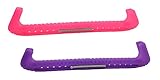
Figure Skate Guards (popular, but I haven’t used these)
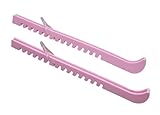
Always wipe the blade after use and use skate soakers
The moisture retention on the ice skate can result in rotting and rusting of the blade.
You can especially notice blade rust near the nooks and crannies near the screws.
The bacteria and germ built-up on the boot due to the moisture retention can also result in disintegration of the boot properties – particularly the leather on the boot.
If the blade and the boot stay wet for too long, you will also notice development of a funky mildew that will almost immediately demand replacement of your ice skating boot.
The best way to prevent this is by
- wiping the boot and the blade after every use using a good quality absorbing towel.
- putting skate soakers or Terry cloth covers on your skates during your commute from the rink back home. Putting on soakers helps absorb the small particles of moisture that remain on the boot after wiping it down.
In fact, very often, you’ll notice water droplets on your boot develop a few minutes after you’ve wiped down the blade. This happens because of condensation due to cooling of the blade temperature.
This is where
- wiping down the blade a few minutes after you are finished skating helps
- putting on skate soakers or Terry cloth covers helps


Dry your figure skates completely between uses
I have covered this in great detail in my article on how to prevent ice skates from stinking as wet boots have a direct correlation with growth of stinky bacteria.
In order to dry your ice skates you must do the following
- wipe down the boot completely after use (As per the details above)
- put a skate soaker when carrying the skates in your bag after use (As stated above)
- leave the skates out for drying. Make sure you loosen all the laces and pull out the tongue to let air pass through the inside and outside of the boot
- Stuff a towel inside the boot to absorb moisture stuck inside. You can also put drying bags inside the boot.
- Occasionally pull out the insoles of the boot and leave them out for drying
Always let your ice-skates air dry. Never use any artificial heater to dry off the boots as this can change the fit of your boot.
You can stuff your ice skates with
Moso Air Purifying Bags – for sports gear


Check screws regularly
Screws are attached into the sole and the heel plate of your ice skating boot.
It is recommended that you leave at least 1 empty screw hole to allow for adjustments later.
The ideal tightness of the screws should be where the blade doesn’t move even when there is room for a half a turn extra on the screw. I.e. the blade stays stable even when the screws aren’t completely fastened into the boot.
So before every use, check the screws. If
- you find them to be too loose,
- the blade is wobbling or moving, or
- there is water penetration into the boot
you should tighten the screws immediately. Always carry a screwdriver in your hockey bag for this.
Waterproof your skate boots
Moisture on leather can cause rotting and development and growth of mildew. Since leather is often the primary component of a figure skating boot, it is imperative that you waterproof the ice skate.
However, do not use an oil-based waterproofing agent that eventually penetrates into the boot.
The one that I vouch for is Sno Seal – a beeswax based leather protection. It does not penetrate into the boot leaving the fit and the structure of the boot intact.
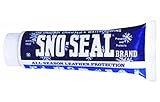
When you ice skating boots are completely dry, apply a generous amount of Sno Seal on it. Dry it off with a hair dryer or with any moderate heating agent. Polish the coating off with a cloth. Make sure you wear gloves when you do this. Sno Seal can stick hard into your hands.
Sharpen your blades regularly
A sharp blade is a non-negotiable factor for optimal performance. When you use your blades on ice, the blades melt away the ice and over time become dull and blunt.
Dull and blunt blades can reduce your speed and agility. It can even cause falls.
The golden rule of sharpening a blade is to always get it done from an expert.
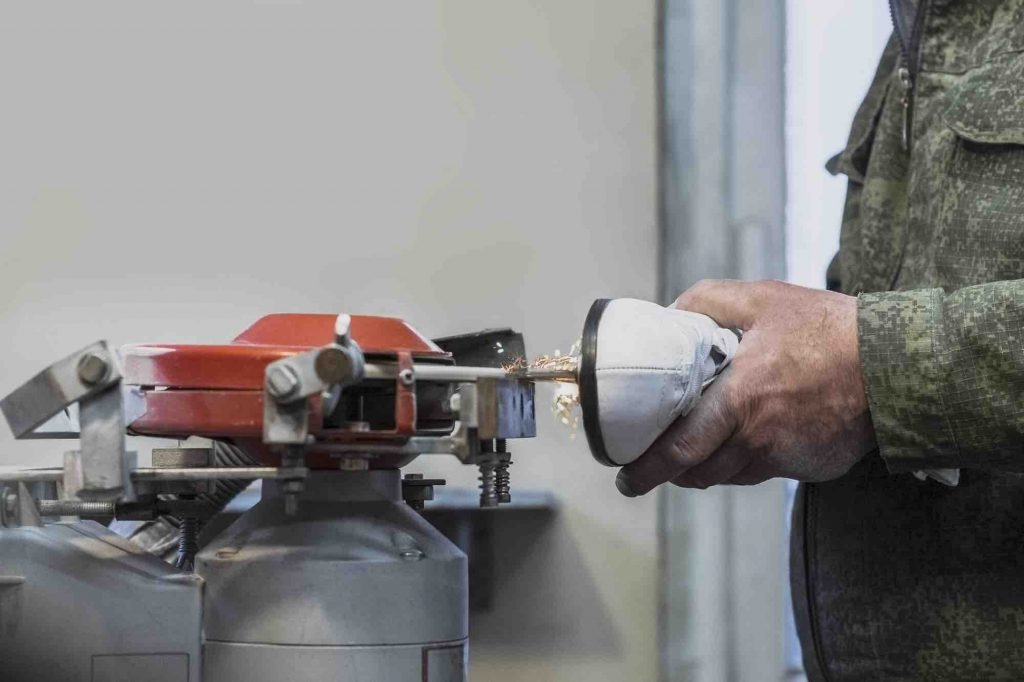
The inside edge, the outside edge and the hollow need to be evenly sharpened. Any unevenness can disturb performance. So always get your blades sharpened from an expert.
How do you know when to sharpen your blades?
There are a few ways of checking if you blades need to be sharpened
- your skating feels sluggish.
- your performance dips in certain moves – you tend to slip when you place your weight on the inside edge or the outside edge
- the edges feel blunt when you run your fingernail over it.
If this is the case, please get them sharpened.
The frequency of sharpening will depend on how often you are practicing ice skating, what is the level of your figure skating and the surface quality of the rink.
So
- beginner skaters may need to sharpen their skates when new, and then once in every 2-4 months
- intermediate skater may need to sharpen their skates once every month or once every alternate month
- advanced skaters may need to sharpen their skates based on their specific training routines, practice hours etc. (advanced skaters probably already know when to get their skates sharpened so I won’t elaborate much on this)
Avoid oversharpening your skates too. Oversharp skates can reduce the life your skates considerably. If you find the skates too sharp, dull them out immediately by performing diverse stops, moves and glides. Again, seek an expert’s advice to prevent uneven dullness.
Given the number of spins and turns involved in figure skating routines, understand that figure skates need much more care than hockey skates do. Any drop in sharpness can directly impact execution of complex moves.
Store your ice skates at room temperature
Whenever you need to store your ice skates or put them away for a long period of time, store them
- in a dry cardboard box
- in a clean and dry skating bag
Ensure that you store your ice skates at room temperature in a less humid space. If you are storing your ice skates in your garage or your basement, make sure the area stays clean and dry. If temperature fluctuations cause condensation and development of dew in that area, your skates could rust.
Always cover the storage box with a soft lid or if storing in a skating bag, make sure the bag is closed.
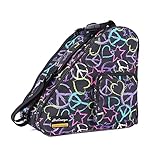
Always carry your skates in a bag
Skating bags have a dedicated compartment for skates. Alternatively, you will also find plenty of ice skating bags that are designed to exclusively store skates.
Now if you are a regular skater, this tip may seem too obvious and non-essential to you – in which case, move on to the next one. But if you are just getting started with ice skating, investing in a high-quality skating bag may seem to be an uncalled for expense and you may want to just throw your skates in with soakers on them right into a regular bag. But avoid doing that.
Not using a skating bag to carry figure skates can mean a risk of blade damage. So care for your skates not only when you use them but also when you are carrying them around.
Check your laces regularly
Laces thin down with use and can result in improper ankle support.
In any case, you will notice the most breakdown of your laces in the ankle flex area.
So make sure you routinely check your laces for fraying or thinning down. Investing in good quality laces helps as they last much longer than regular laces.
These are great quality prelacies for figure skating

Always wear socks when skating
I have highlighted the importance of wearing socks in my article on preventing stinky skates (read article here) But let me reiterate its importance in this post on figure skating care as well.
The sweat in your feet promotes bacterial growth inside the boots which not only causes the boots to stink but also results in the rapid degeneration on boots.
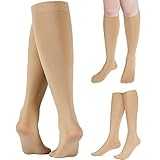
To arrest this damage, you must wear good quality thin socks when skating.
The socks that I recommend are

How to clean Figure Skates: Useful Tips
Cleaning figure skates regularly is big part of figure skates care.
But there is an overlap between steps required to be taken for cleaning ice skates and maintaining ice skates. So even at the risk of repetition, let me enlist all the things you should do to keep your figure skates clean.
Wiping figure skates after every use
After every use, wipe the insides and outsides of the boot completely with a good quality absorbent towel. Also wipe the blade thoroughly.
Use an anti-microbial spray
Use any anti-microbial spray on the inside of the boot to arrest the growth of bacteria and fungi.
Make sure you use a sports spray made for ice skating use for maximum effectiveness.
The spray that I highly recommend as its specifically made for ice skating use is

Freshen up your insoles and laces every few months
Use soap and water to wash the insoles of your ice skates and laces thoroughly after every few uses. I do this regularly and it has tremendously increased the life of my skates plus kept them stink-free for most parts.
Get your skates cleaned by a professional
There are many sports equipment cleaning services that offer cleaning services for figure skates.
The services may seem expensive but they are highly recommended
- if you use expensive skates and want to get the most out of them by extending their lifespan
- if you are an absolute beginner and don’t have much knowledge about cleaning ice skates. Improper cleaning techniques can be more damaging than beneficial.
Repolish your skates
Repolishing your skates is more of a cosmetic job than a cleaning job but I love how they make your skates look new once again. It is excellent for those who participate in competitions as it makes the ice skates look brand new and color co-ordinated.
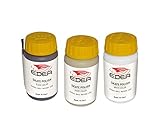
To polish your skates, use a good quality figure skating polish.
Wipe dry your skates completely and then apply polish carefully. Use a sponge for the boot and use a small brush to touch up specifically chipped areas.
This 3-pack set of Edea polish works with almost all figure skates
Frequently Asked Questions: Figure Skates Care
How do I protect my skates?
To protect your ice skates or figure skates
- always wipe them down after every use
- put on skate soakers or Terry cloth blade covers to absorb remaining moisture
- let them air dry completely between uses and
- clean your skates occasionally for a quick freshen up
- store your skates in a dry box at room temperature when not in use.
Should you oil skates?
Personally I have never oiled the blades of my skates when not in use. But I have heard from many people that they oil their blades or apply vaseline on the blade before storing them away during summer months. Apparently it protects the blades from moisture build-up.
If you do wish to give this a try, make sure you wipe the blades completely before using them again.