What Should A Beginner Wear for Ice Skating: List with Tips
I have seen so many people wear jeans for ice skating and I just feel sorry for them because I know how uncomfortable they would be. But many people who are just starting out on their ice skating journey and are absolute beginners, don’t know what clothing works best for ice skating.
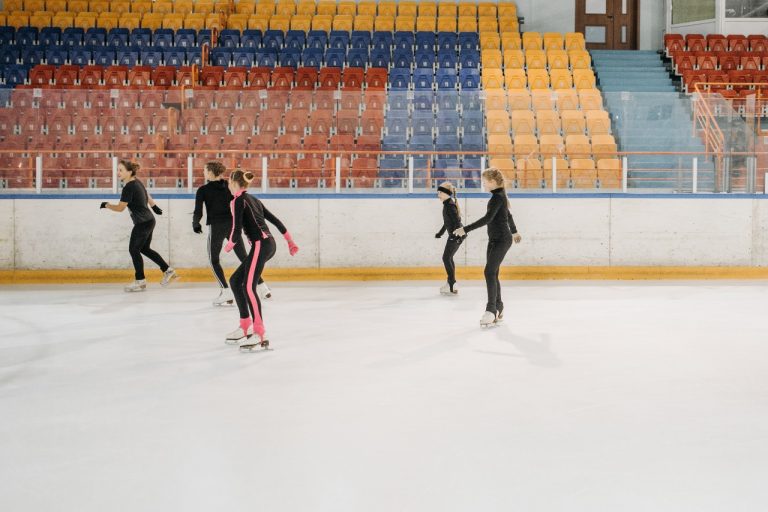
As a beginner getting dressed for ice skating, remember to layer up. Whether you are skating indoors or outdoors, it’s best to wear 2-3 layers on the top, coupled with some nice stretchy pants, socks, gloves and a helmet.
Read on to know all about what factors to consider when choosing ice skating attire, what clothes to avoid and some recommendations of ice skating clothes for you.
This post contains affiliate links. We may receive a commission for purchases made through these links.
As an Amazon Associate, we earn from qualifying purchases.
What Should A Beginner Wear for Ice Skating: Quick Suggestions

Top and Jacket
Wear a simple full sleeved top like this one that also covers your neck.
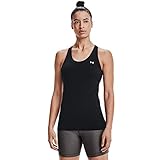
If it’s going to be too cold (Especially outdoors) wear a body hugging athletic tank top inside the full sleeved shirt.
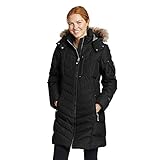
Finish it off with a lightweight full-sleeved jacket like this one.
Pants
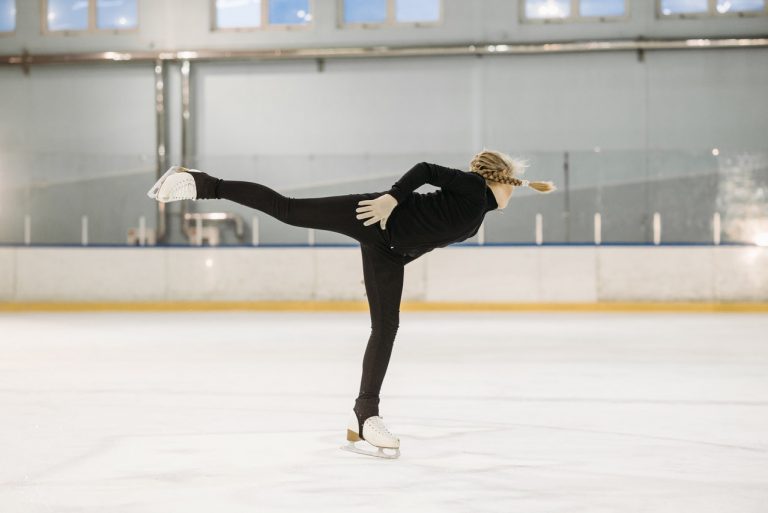
Wear stretchy athletic leggings like this one that are not too thick and allow movement.
You could even wear long leggings like this one that go over the boot
Gloves
As beginners, you need a great pair of gloves like this one that protect you from cold as well socks.
Socks
These are the best beginner socks for ice skating. They are warm, thin and comfortable.
Helmet
Finally, round it up with a helmet even if it looks ugly. A simple helmet like this one is all you need. You can get rid of it once you learn how to balance. Read my post on how to improve your ice skating balance here.
Things to consider when choosing ice skating wear: Beginner tips
In this section, I will break down the rules that must be followed when dressing up for ice skating so that you can make the right choices.
Layer up
Whether you are skating outdoors or indoors, you will notice that your body gradually starts warming up as you skate. So for the initial few minutes on the rink, you will feel cold and as your session progresses, you will start to sweat and your body will heat up.
That’s the reason all ice skaters and coaches recommend layering up.
For outdoor rinks where it is pretty cold, it’s recommended that you wear three layers
– tank top/athletic body hugging top
– a long-sleeved top.
– a jacket
For indoor rinks, you can stick to two layers (a long sleeved top + jacket)
Top Options


Choose the right fabric
You need to opt for fabrics that lock your body heat inside.
Fabric for the top
For your first and second layer top, look for fabric that has a high percentage of polyester. Most athleisure clothing is made from polyester blend materials which is perfect for retaining body heat and keeping you dry.
Avoid cotton as it absorbs sweat making you feel sticky and cold.
Fabric for the jacket
If the rink is too cold, opt for a fleece or a down jacket.
Make sure the jacket is not too fluffy to obstruct movement.
For moderately cold rinks, you can opt for any lightweight full-sleeved jacket made from polyester and nylon.
Additional tip: Look for a jacket that uses spandex. It promotes ease of movement.
Jacket options


Fabric for pants
Like with the top, pants need to be breathable and stretchy. It is best to opt for an athletic blend of fabric like the one used in most yoga pants.
Many beginners make the mistake of wearing thick pants like a pair of jeans to skate thinking jeans would keep them warm. But wearing a pair of jeans will make you sweaty and uncomfortable within a few minutes of your session. Your movement will feel restricted and you could end up taking a few extra falls.
Pant/Leggings options


Get the right fit
The fit of your ice skating wear has to be snug but not too tight.
That means, you should not wear
– bulky jackets
– flowy jackets
– loose pants
– loose tops
Wearing loose clothing is not only dangerous while skating (more on this later in the article) but it also releases all the body heat and makes you cold.
In the initial days where you are learning how to balance and move, you should not wear any piece of clothing that comes in the way of free movement as it will only prove to be detrimental to your progress.
Cover your neck
Outdoor rinks expose your neck to harsh cold winds that could make your neck stiff.
For that matter, even indoor rinks, feel considerably cold on winter mornings and late evenings.
It’s best to cover your neck at all times to keep it protected.
But as a beginner, I do not recommend using a scarf as oftentimes
– it gets unraveled,
– flows too long and gets in the way of your skating
– comes in the way of your jacket’s zip
Wearing turtle necks or mock necks that cover your neck proves to be a much better option when starting out on your skating journey.
Scarves can look great if you are skating socially or are on an ice skating date.
Options to cover your neck


Opt for stretchy bottom wear
Most beginners go wrong in choosing ice skating bottom wear.
As I said earlier, when you go for ice skating you should wear
– stretchy pants or
– stretchy leggings
Most yoga pants or athletic leggings work well.
Avoid wearing thick pants as you will feel sweaty, warm and uncomfortable.
Opt for bottomwear that doesn’t interfere with your laces
To keep your laces out of your way when you skate, you can
– wear leggings that extend beyond your heel and cover your skates or
– pair your leggings or pants with leg warmers that go over your skate

Avoid wearing baggy pants, track pants, joggers or anything that hangs loose at the bottom. It can make you trip while skating.
Don’t forget to wear gloves
Gloves are extremely important as a beginner who is constantly taking falls.
Gloves not only protect you from getting hurt but also keep you warm.
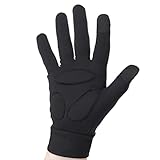
Quick tip: Keep multiple pairs of gloves with you in your wall bag (in the initial days) as you will fall numerous times and your gloves will get wet and will need to be changed a couple of times.
Always wear socks
Many beginners claim that skating barefoot is far more comfortable than skating with socks.
But not wearing socks
– can cause fungal infections and blisters and
– make your skates stink.
Its best to get into the habit of wearing socks from the very beginning.
For optimal protection, comfort and agility, choose socks that are
– thin
– breathable and moisture-wicking
– seamless
- These socks are perfect for those that prefer mid-shin, budget-friendly socks

2. These socks are made specifically for ice skating and offer the best fit, warmth and control. They are worth spending on.


At all costs, avoid wearing regular socks, gym socks or any other thick socks when skating. Thick socks don’t give you the feel of the skate and cause you to fall. The skate also doesn’t fit right when wearing thick socks and doesn’t give you adequate ankle protection which is key when skating.
Wear a protective helmet
Since this article is exclusively for beginners, I need to add a helmet to the list of things to wear when ice skating.
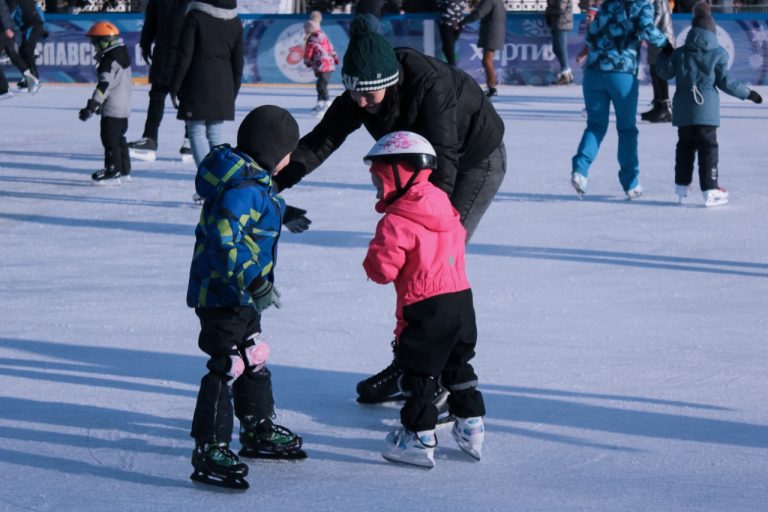
Helmets don’t look cool and can ruin your overall look but are key for safety and protection in your early days.
Wearing any helmet is better than wearing no helmet at all.
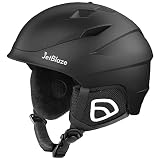
Quick note on beanies and caps: Beanies and caps are more of a style statement than a necessity when ice skating. They can definitely look great when you dress up for an ice skating date. But they don’t serve any safety purpose. That’s why it is recommended that you wear a helmet in your initial learning days. It’s compulsory for toddlers and kids to wear a helmet for skating lessons.
Support your breasts
Here is a quick note for women who go ice skating.
Wearing an ice skating bra that supports your breasts is extremely important. Treat ice skating like any other sport and wear a nice supportive sports bra underneath your base layer.
When choosing a bra for ice skating, look for one that
– is not underwired (the wire can cut through your skin with all the layers on top and can cause irritation)
– doesn’t use pad inserts (cheap pad inserts can shift around when skating)
– fully supports your breasts, especially the bottom (sweaty underboobs can completely ruin your skating experience)

What to avoid wearing for ice skating?
You may have been able to mentally gather a list of clothes that you should avoid when ice skating.
But in any case here is a quick list of things you should not wear when skating
- Jeans
- Halloween costumes (loose, large, baggy and obstructing visibility and movement)
- Long flowy dresses
- Shorts or short skirts and dresses
- Long jackets
- Baggy bottomwear like tracks pants and joggers
- Toe rings or anklets
- thick socks
Wrapping Up

The best clothes to wear for ice skating are ones that are comfortable, breathable, body hugging and stretchy. Remember to pair your clothing up with thin socks, gloves and protective gear for faster progress.