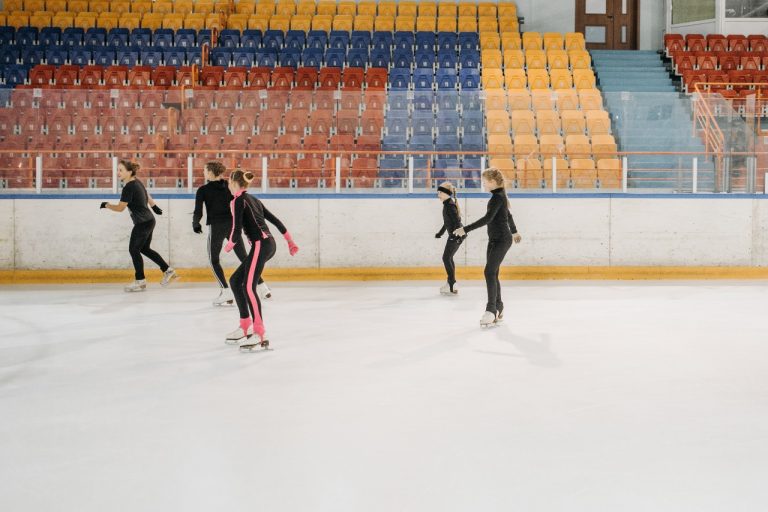
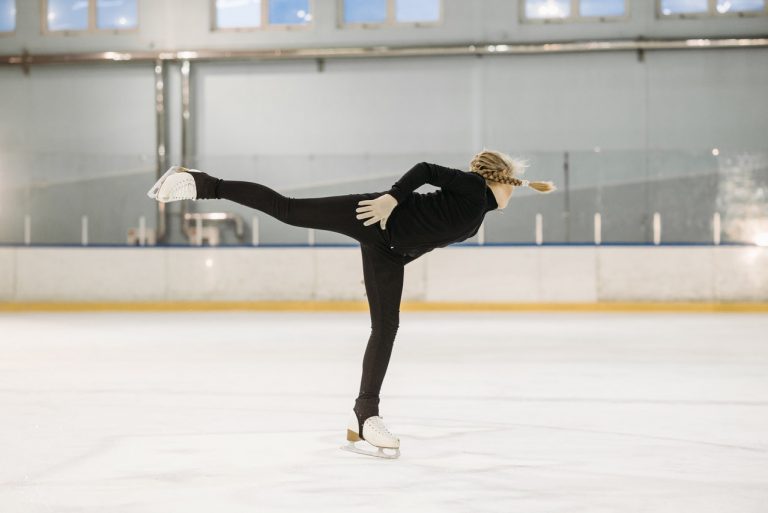
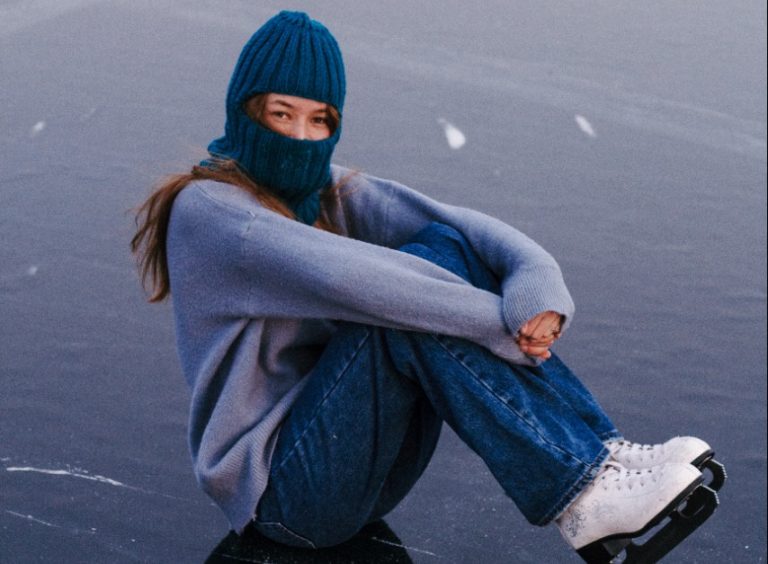
21 solid ways to get better at skating (even if you can’t skate)
James Clear in his book ‘Atomic Habits’ stated that if you can get 1 percent better each day for one year, you’ll end up thirty-seven times better by the time you’re done. He substantiated this by giving the example of Sir Dave Brailsford who used this principle of marginal improvement and turned the British cycling team from being absolutely mediocre to one that won several medals at the Olympics.
The same principle can also be applied to get better at skating. In this guide I am going to share 21 tips to get better at ice skating. Consistently applying these tips will help you progress faster.
To get better at ice skating, you should focus on marginal improvement in 4 key areas of ice skating: gear, technique, off-ice workouts and supplementary efforts. Even a consistent minor improvement in any of these areas will improve your skills considerably in a short period of time.
In this post, I will break down each of these four areas into actionable steps that you can take to improve. The steps mentioned in this article will work for all levels of ice skaters including absolute beginners. Read on for in-depth information on ways to get better at ice skating.
Improvements in Ice Skating Gear
Ice skating gear can make a world of a difference in your skating skills. Choosing the right gear is critical for getting better at skating. But this doesn’t mean spending a lot of money.
The focus should be on comfort and proper fit.
1. Wear properly fitted ice skates

To ensure development of proper technique, use ice skates
- that fit well
- they should fit snug (not too tight and definitely not loose)
- the skate boot should offer enough ankle support
Try on ice skates with the socks that you intend to use for skating for a proper fit.
Only wear rental skates that fulfil the above criteria. If you can’t find the right rental skates, consider using hand-me-downs from a friend.
Marginal improvement to ice skates:
- Rent properly fitted skates only
- Borrow skates that fit well from friend/family if rentals don’t fit
- Buy new pair of well-fitting skates
- Buy intermediate/pro level skates as you progress
- Get your blades sharpened
- Get wear and tear of skates repaired/fixed
Read my full post on whether adjustable skates are good for beginners here.
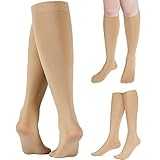
2. Wear the right ice skating socks
The thumb rule when it comes to ice skating socks is that the socks must
- be thin
- moisture-wicking
Thin socks offer better breathability, more feel of the skate for better control, better insulation.
Marginal improvement to socks
- Buy new pair of thin socks
- Buy socks that are more moisture-wicking and breathable
- Buy seamless socks
- Buy socks with seamless toe/heels
- Buy non creasing socks
3. Lace your ice skates properly
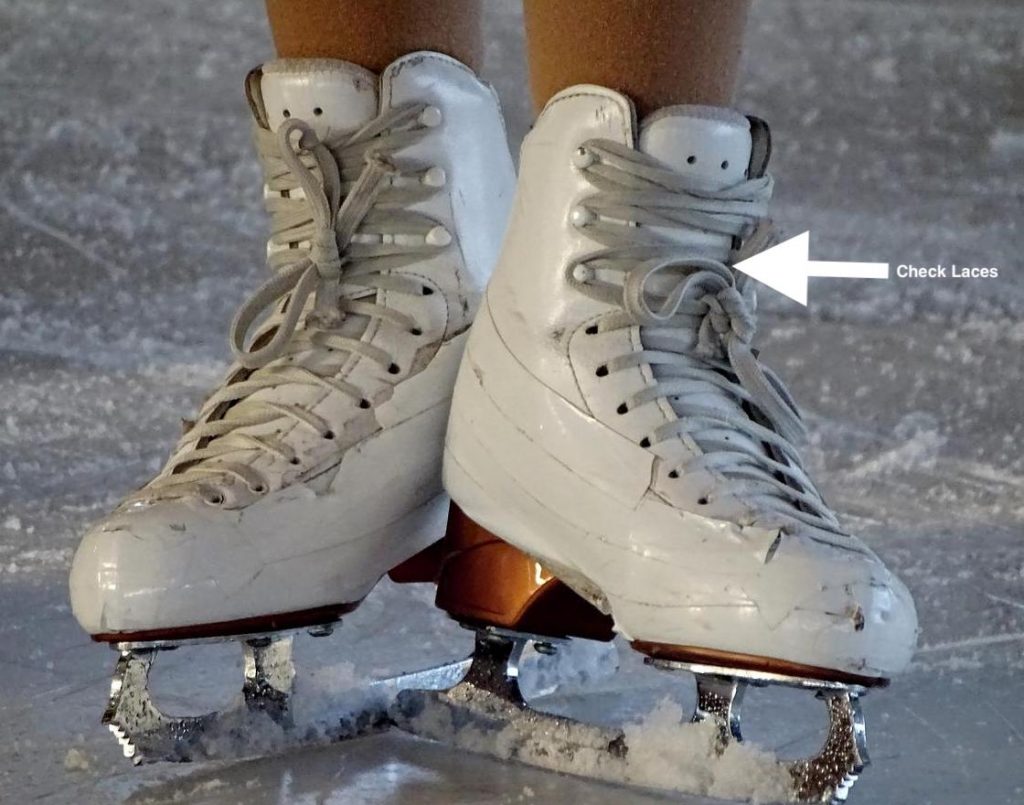
Lacing is a skill that needs to be mastered. Some rules of lacing that must be followed are
- choose the right size of lace – a short lace will not give you proper ankle support.
- Choose the right material – cotton laces are the best. But you can try nylon blend laces as your progress.
- The laces should be snug at the toe and at the ankle. But the area above the middle should be loose enough to allow movement.
Marginal improvement to laces:
- Buy the right-sized laces
- Buy the right material of laces: cotton/nylon blend
- Learn how to tie laces for the right fit
- Buy skate covers to prevent dangling lace ends
- Fix wear and tear of lace or replace worn-out laces
4. Dress appropriately for skating
Wearing uncomfortable clothes is a huge roadblock when skating. Always remember to wear layers, long pants, gloves, a cap/beanie (optional) and scarf (optional).
Marginal improvement to skating clothes:
- Wear comfortable pants. Avoid jeans. Stick to the same type of pants to help develop a routine.
- Wear a turtle neck or any full sleeves top that’s adequately warm. Avoid wearing synthetic fabrics or fabrics that absorb moisture.
- Wear a light sweater to stay warm. You can even add a light scarf to keep your neck warm.
- Wear a soft beanie for added protection.
- Wear gloves to avoid bruised hands.
- To prevent unwarranted falls, pull your hair back. Make sure your hair are not impacting visibility
Read my full post on what should a beginner wear for ice skating here.
5. Add protective ice skating gear
If the biggest reason you hate skating or aren’t progressing is how hard your falls hurt, add protective gear to your ice skating attire immediately.
Don’t worry about being shamed.
Wear a helmet (a bike helmet, a hockey helmet or any basic helmet works)
Marginal improvements to protective gear
- Start using a helmet and protective gear like elbow pads and knee pads
- Buy a skating helmet that fits well
- Repair damage to helmets (not recommended without expert guidance)
- Use a skating trainer
Improvements in Technique
6. Let go of unnecessary support
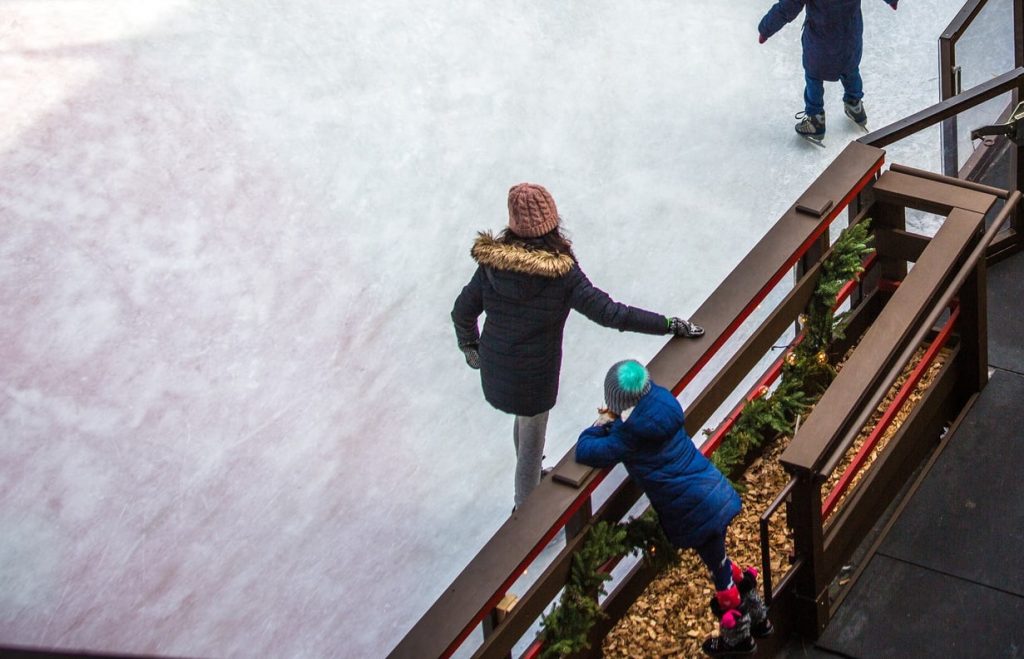
If you cling too tightly to support, you will never skate freely and your progress will be limited. The best time to let go of support is a bit before you think you are ready.
Marginal improvements to getting rid of support
- Once you can stand on skates, leave the railing
- Once you can march, get rid of the skating trainer
- Once you can glide a bit, move farther away from the railing
- Skate entirely without support once you reach more advanced levels (check with your coach about whether and how much protective gear to wear when learning advanced moves)
7. Learn to fall the right way
I have said this in many articles in the past, the one skill you need to get acquainted with much before you step on the rink is to fall properly.

The best way to fall is to fall sideways.
If you fall face front, you can get badly injured due to the impact. You also risk being run over by other skaters on the rink.
So here is the process of falling and recovering from a fall
| Falling on ice | Getting up from a fall |
| Bend low in your knees to lower your center of gravity | Get into a cat position with your hands close to your knees. If you can, avoid touching your hands to the floor completely. |
| Lean sideways and fall on your hips. | Stand on your knees. Place one knee up. |
| Place both hands on top of the knee. Push and lift up. |
Marginal improvements to falling on ice
- If you are a total beginner, practice falling and recovering off ice at home or at other place
- If you have been on the rink a few times, practice falling on ice and recovering with the use of hands on floor and then completely without touching your hands to the floor
- If you can skate fairly well, practice falling at different speeds and recovering without touching your hands to the floor
8. Improve your posture
Your ice skating technique depends entirely on your posture.

When skating, you should
- bend in your knees
- lean slightly forward
- keep your feet under your shoulders
- look forward (not down)
One of the reasons why people don’t make progress faster is that they try to start skating and learning moves before they master their posture.
Marginal improvements to ice skating posture
- If you are a total beginner, master your basic posture while standing still
- If you have been on the ice a few times, practice moving with your knees slightly bent, shoulders relaxed and using your hands for balance (open wide below waist-level)
- If you can skate fairly well, ensure your posture before you move is correct. Come back to the basic posture everytime you stop.
Read my detailed post on how to improve your balance when ice skating here.
9. Moving
To fully explore the possibility of skating on ice, you must constantly work on your gliding skills.
To start gliding, first learn to march.
Once you can march confidently, start gliding.
After you can glide comfortably, progress into forward and backward glides (two-foot and one-foot), swizzles, scissors, crossovers, jumps and more!
It is impossible to write down the right way to do each of these moves. But I can recommend ways to improve.
Marginal improvements to ice skating moves
- If you are a beginner: practice marching till you no longer lose your balance.
- If you can skate a bit: practice mastering every move – no matter what level you are at. Do not hastily try to learn new moves without mastering ones you have learnt. Work on each move individually over and over again till you master it.
- If you can move well on ice, improve your grace, core strength and stamina using off-ice exercises.
10. Stopping
You can’t be a good ice skater without learning to stop.
Some common ways of stopping are:
- Snowplow stop
- T-stop
- Hockey stop
This video below succinctly explains the technique of all the above types of stops as well as adds tango stop to the list.
Marginal improvements to stopping on ice
- If you are a beginner: practice the snowplow technique till you master it – keep your ankles upright and get your pressure right. Practice using the wall as well as without support once you feel more confident.
- If you can skate a bit: practice mastering snowplow technique, t-stop technique. You could also attempt the hockey stop and the tango stop and work consistently towards mastering it.
- If you can move and stop well on ice: practice stopping at different speeds.
Improvements in rink time
If you are unable to make progress in ice skating, keep falling every time you try or if your progress feels stuck for a while now, it is time to marginally improve your rink time effectiveness or hours.
What I mean by this is to improve how you use your time on ice.
11. Practice hours
There is no way you can improve ice skating, if you don’t spend enough time on the ice.
Marginal improvements to practice hours
- Improve your regularity in practice. Make a consistent weekly commitment. Having a haphazard schedule will not help you make consistent progress.
- Increase your frequency by spending more hours on the rink.
- Add more public sessions to your routine.
12. Practice quality
If you are regularly showing up on the rink or if you think you are putting in enough hours, it is time to scrutinize the quality of your time on the rink. In other words, try to get a better ROI on your ice time.
Marginal improvements to practice quality
- Seek help from an expert
- Join a class
- Discuss your goals with your coach and plan your class accordingly
- Supplement your lessons with regular public sessions
- Start competing
- Improve at competitions
- Take private coaching
- Step on ice at hours when you feel most active
Improvements in off-ice techniques
Off-ice practice and workouts are often ignored and underlooked. They are critical for improving in ice skating. Make sure you have a solid off-ice routine to complement your skating effort.
13. Off-ice workout

Ice skating involves application of core strength, muscle power and stamina.
Engage in regular fitness exercises that align with your skating demands.
Marginal improvements to off-ice workout
- Start working out regularly
- Improve your core strength by doing planks, crunches, etc.
- Improve your strength by using dumbbells, weights or hitting the gym
- Improve your stamina by adding power yoga, running, swimming, cycling or other aerobic activities to your routine
- Align the goals of your workout with your ice skating demands
- Use props like a bosu ball for improved balance
- Track your progress using a workout journal
- Consult a fitness expert to plan your workouts properly
- Supplement your workouts with a healthy meal plan
14. Gliding drills
Gliding is an effective way to practice skating like moves without ice.
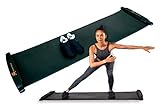
Marginal improvements to gliding drills
- Practice gliding in-room using socks
- Try gliding using roller skates
- Invest in a slider board and plan an off-ice gliding drill routine to help you improve in specific areas
15. Alternate form of skating/Ballet
Alternate forms of skating or ballet help improve ice skating. Many expert skaters include these to their weekly routines.
Read my post on whether roller skating is easier than ice skating here.
Marginal improvements using alternate forms
- Start learning an alternate form of skating like rollerskating or rollerblades for off-season practice
- Take dance or ballet classes to improve grace
Read my full post on the best off-ice techniques to improve ice skating here.
Improvements in Supplementary Efforts
To see progress in ice skating, you need to be fully immersed into the world of ice skating. In this section, I will suggest supplementary efforts that can aid in your overall progress.
16. Watch videos
There is a plethora of ice skating video content on the internet. In your free time, watch instructional videos, QnAs and more.
Marginal improvements using video content
- Watch ice skating competitions online
- Watch instructional videos targeting your problem areas
- Follow ice skating coaches and expert on Youtube and other platforms
17. Ask friends/family/coach
Many a times, progress staggers simply because we don’t reach out.
If you want to start ice skating or want to progress and are feeling stuck, reach out to someone who is knowledgeable in the field.
Marginal improvements using guidance
- Watch ice skating competitions online
- Watch instructional videos targeting your problem areas
- Follow ice skating coaches and expert on Youtube and other platforms
18. Maintain a growth tracker
Did you know that tracking in itself is a huge contributor towards growth.
So many aspects about skating come to light in a clear manner when tracked.
You could track anything that needs work
- number of falls
- number of times you toe-pushed
- number of repetitions of a particular move
- number of hours spent on the rink
- number of successful jumps
- …
Maintaining a growth journal is a remarkably helpful way of monitoring and expediting your progress. Get started already!
Marginal improvements using growth tracker
- Make a list of factors that you could track
- Buy a tracker or design one yourself
- Start tracking
19. Meditate/Visualise
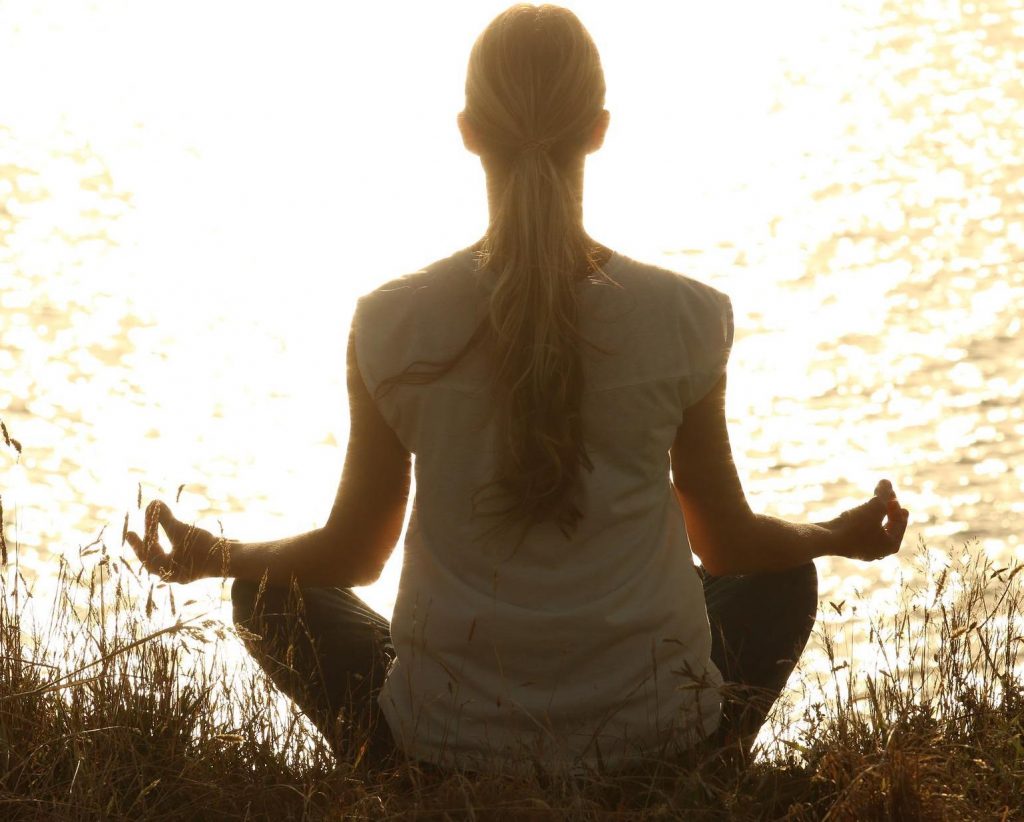
I have spoken about the importance of meditation and visualisation in my earlier posts as well and I continue to stress on it.
Meditation and visualisation employed together or individually are easily accessible tools that help gain clarity, cut down on stress and develop laser sharp focus.
Regardless of the level at which you skate, these are tools that are guaranteed to help you progress.
Marginal improvement using meditation and visualisation
- Develop a meditation routine
- Start meditating for at least 10 minutes everyday
- Include visualisation in your meditation practice and visualise yourself overcoming your greatest skating hurdles
- Refine your meditation and visualisation practice as per need
20. Join forums
There is a massive community of ice skaters on the internet. Be it in the form of Facebook groups or reddit forums, there is an abundance of free community support.
Join as many forums as possible to immerse yourself in the world of skating. Forums are also a great platform to get your basic doubts cleared without the fear of being judged. You also get to learn from experiences and insights shared by members of the community.
Marginal improvements using forums
- Check out ice skating forums on the internet
- Join once that you find interesting or helpful
- Read posts in the forum to improve your skating knowledge
- Reach out to people to get your doubts answered
- Participate often and contribute to the community and make skating connections
21. Have fun
Finally, check if you are having fun skating. For so long as skating feels like a pain or a struggle or a hobby that you hate showing up for, your progress will be slow-moving.
So if you want to make headway with skating, make sure you enjoy the process and keep having fun.
Marginal improvements around enjoying the process
- Maintain a mood journal to check if you are having fun
- If you are not having fun, think of ways in which you can get back to feeling great about skating
- Find out patterns that lead in a dip in your mood and work on navigating those phases
- Build a support system that helps you have fun skating
A quick note for those not having fun skating – if you think you are tired of skating and no longer having fun, progress for you could mean taking a break from skating.
Wrapping Up
The best way to use the marginal improvement strategy of progress is by identifying areas that need the most attention. Pick a handful of areas from the list above and start making marginal improvement in those areas.
Don’t try and improve in all the areas as that could get overwhelming.
Tracking your marginal improvement helps tremendously.
Hope you get better at skating using the tips above! All the best!